Media campaigns
23/9/2026
ChatGPT/Perplexity: A simple way to measure quotes, traffic, and conversions.

.svg)

On Google, the performance is easy to read. On ChatGPT and Perplexity, it gets a lot fuzzier. You can be visible without generating clicks. Being quoted without knowing if it has an impact. Or miss out on real results for lack of good indicators. The problem is not the channel. That is the way to measure it. To prove that your content works, you need to change the logic. No longer just looking at traffic, but following three simple signals: the quote, the click, and the action. It is this approach that makes it possible to go from feeling to concrete proof.
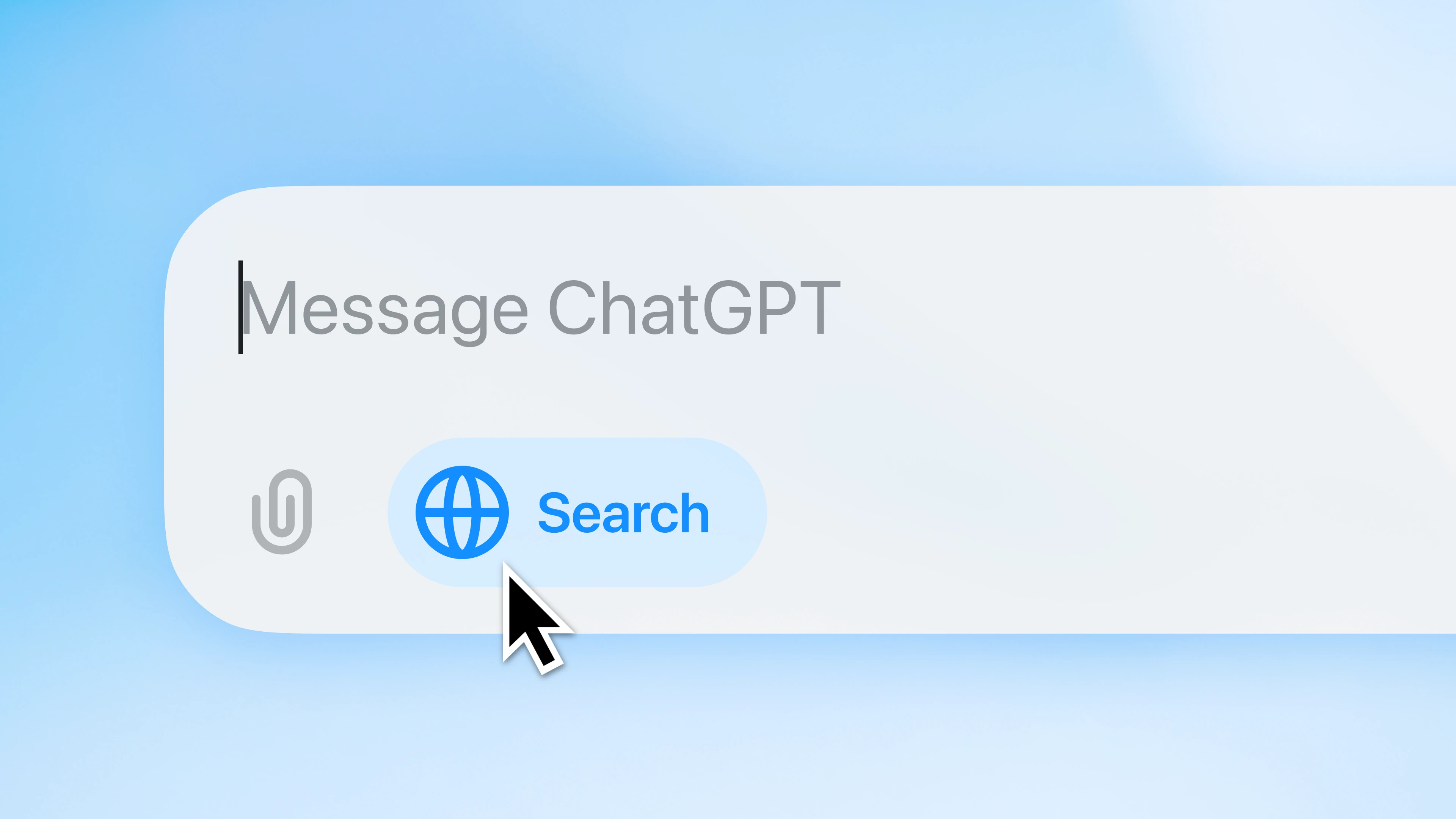
On Google, success can be read quickly: impressions, clicks, position. On GPT chat and Perplexity, the user gets a complete answer, sometimes with sources. The click is no longer automatic. It happens when the answer makes you want to check, investigate, or take action.
If you do not change the way you measure, you will have two classic mistakes: concluding too quickly that “it is useless” because the traffic is lower, or on the contrary, getting excited because you have been quoted once. You need a simple definition of success and then a repeatable method.
To stay concrete, think of three proofs, which complement each other.
- The first proof is visibility. Is your content taken as a source on issues that matter to you? And above all, is it the right page, quoted in the right context, without distortion
- The second proof is traffic. When you are quoted, do Internet users really come to your site? What pages are used as input, and what is their reading behavior?
- The third proof is the impact. Does this traffic do anything useful: register, ask for a demo, buy, make an appointment, or at the very least move towards a clear intention?
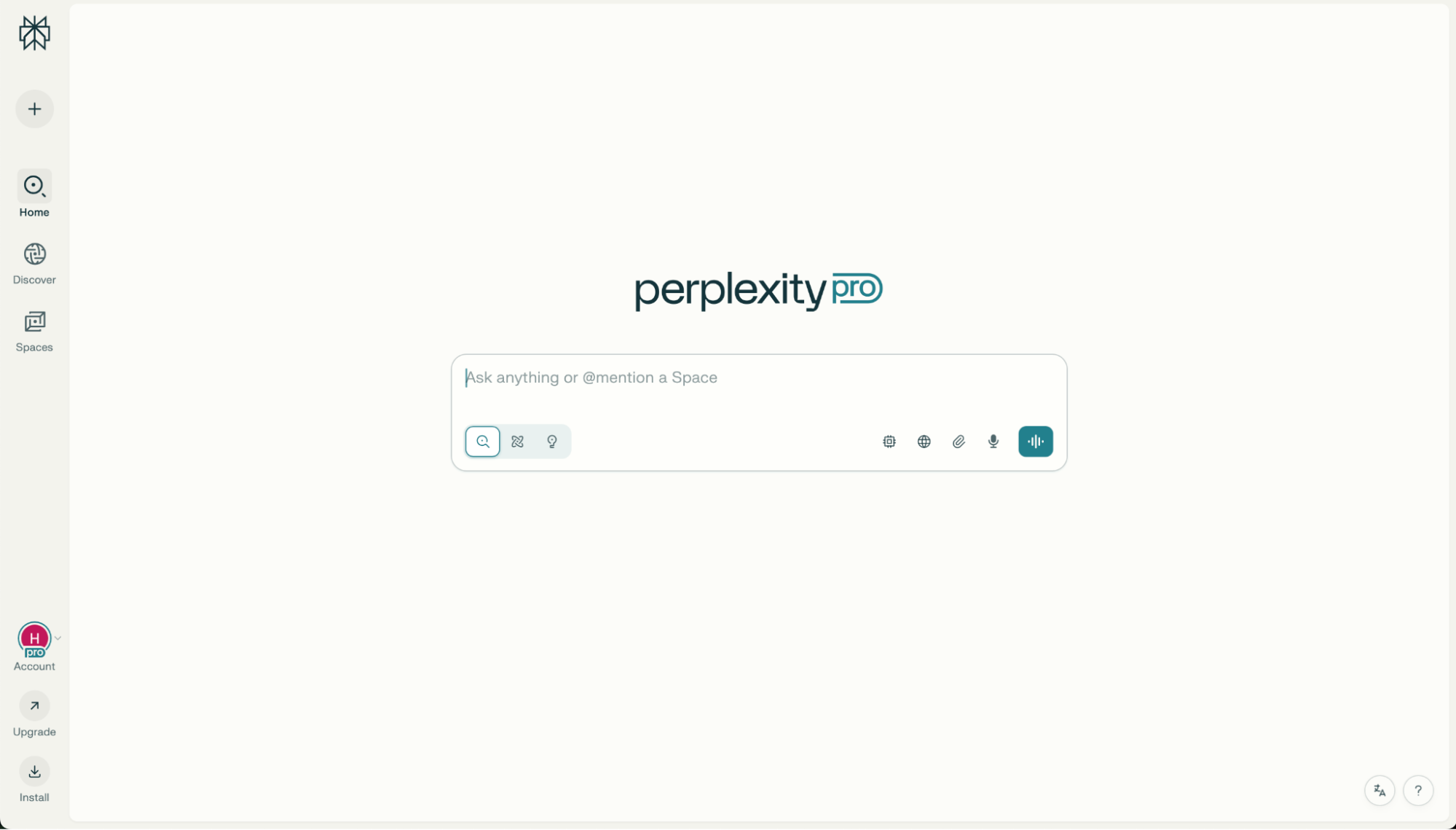
The best way to get out of the feeling is to always test on the same ground.
Start by listing 20 to 50 real questions, the ones your prospects are already asking. Take natural formulations: “how to choose”, “how much does it cost”, “what risks”, “what alternative”, “in which case it does not work”. This panel becomes your reference.
Then, test these questions on Perplexity and ChatGPT with research, on a regular basis. For each question, you simply note if you are quoted, what URL appears, and if the answer stays true to what you say.
After a few iterations, you don't just get a screenshot. You have a trend, and therefore a proof.
Being quoted is not enough, you also need to check what happens next. In your analytics tool, isolate visits from these environments whenever possible. The objective is not to have perfect precision on the first day, but to identify an exploitable reality: which pages receive traffic, and how this traffic behaves in relation to Google.
Then follow two very simple things: are these visitors really reading, and are they progressing towards an action (an important internal click, a registration, a contact request, a conversion). It is this “presence then action” link that makes your demonstration solid internally.
AI engines are more likely to use what they can summarize and verify easily. In practice, this seems like pages that respond quickly and bluntly, and then justify.
A good “quoted” page starts with a clear answer, then offers an example, a method, a framework, and limitations. It also indicates when it was updated, especially if it contains numbers, comparisons, or recommendations.
It's not artificial optimization. It is the same requirement as for a hurried human reader: to understand quickly, then to be able to verify.
A lot of content starts with a “nice” question and then falls apart when the user asks for proof.
Take a theme that is important to you and test three variants: a short version, a specific version, and a skeptical version (“what evidence”, “what risks”, “in which cases it is false”). If your page disappears as soon as the question becomes demanding, it is often because you lack verifiable material: concrete example, comparison, limits, sources.
Your proof should be on one page. On the one hand, your coverage: number of questions tested and where you are quoted. On the other hand, the impact: identified sessions, landing pages, engagement, conversions. And finally, a short list of actions: which pages to reinforce, which pages to create, what updates to do first.
With this, you are not “saying” that your content works. You show it.

3 Boulevard de Sebastopol, 75001, Paris
©Copyright 2024. All rights reserved.

If you want to keep in touch, and get a summary of Growth Marketing every week, it's just happening here 👇