Media campaigns
22/10/2026
15 tools to build a robust B2B ads stack: tracking, attribution, CRM, and analytics to connect your campaigns to your pipeline.

In 30 minutes, we'll tell you where to start based on your goals.


Building a high-performing B2B ads stack is no longer about piling up tools. The real challenge lies elsewhere: ensuring reliable, actionable data flows through your system and aligns with revenue. Many teams already have great tools—sometimes even the best on the market—yet they continue to manage their campaigns using incomplete signals.
The result is often the same: campaigns that "work" on the surface, but an inability to clearly link advertising spend to the pipeline and revenue.
A robust B2B ads stack is not judged by the number of tools, but by its ability to answer one simple question: what is actually driving business?
Rather than listing popular solutions, this directory is based on operational logic. The tools presented address four structural needs:
Each tool was selected for its ability to integrate into a demanding B2B ecosystem, characterized by long sales cycles and complex conversions.
The industry standard for managing tags without relying on technical teams. It allows for the rapid deployment of events and maintains agility in your tracking setup.
👉 Best for: centralizing marketing tracking without unnecessary complexity

A CDP that allows you to collect, structure, and distribute data across various tools. Highly effective for unifying sources and eliminating data silos.
👉 Best for: building a clean data architecture from the start
An evolution of traditional tracking that improves data reliability, especially in light of cookie restrictions.
👉 Best for: improving the quality of collected data

Allows you to easily connect different tools and automate data workflows.
👉 Best for: building quick bridges between marketing and CRM
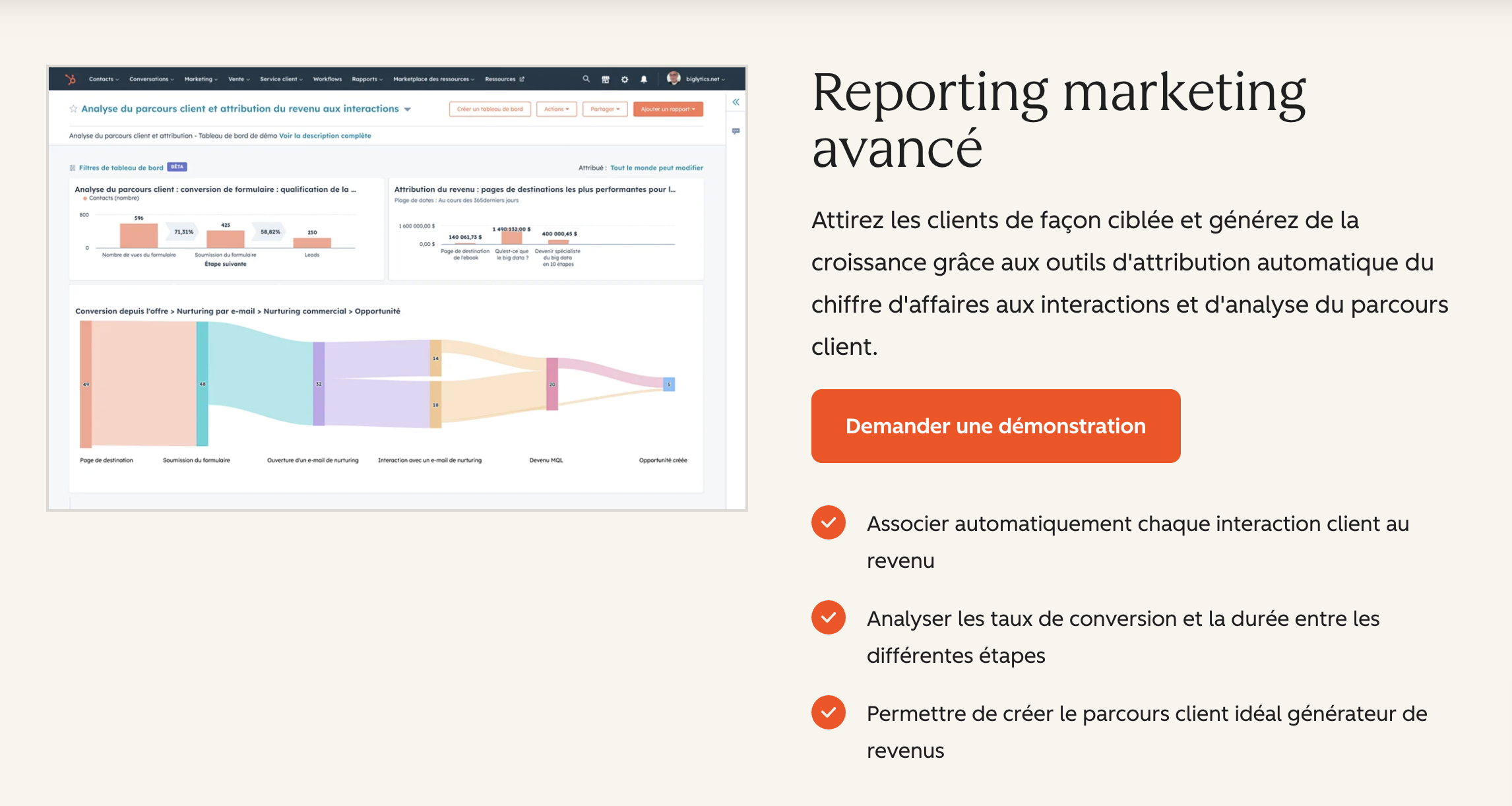
Analyzes the touchpoints that influence a conversion. A great choice for teams already using HubSpot.
👉 Best for: connecting marketing and revenue in a single tool
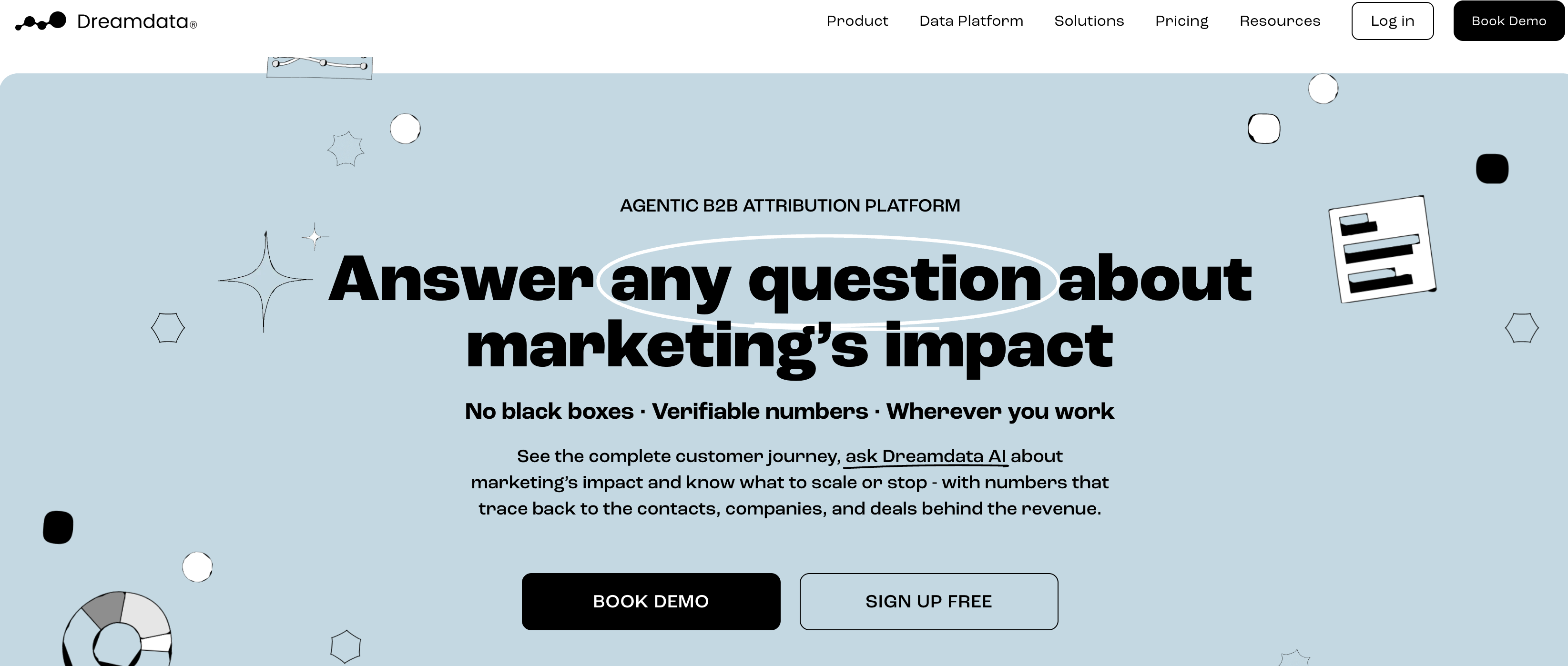
A solution specializing in B2B attribution, offering a multi-touch view tailored to long sales cycles.
👉 Best for: understanding exactly what drives your pipeline
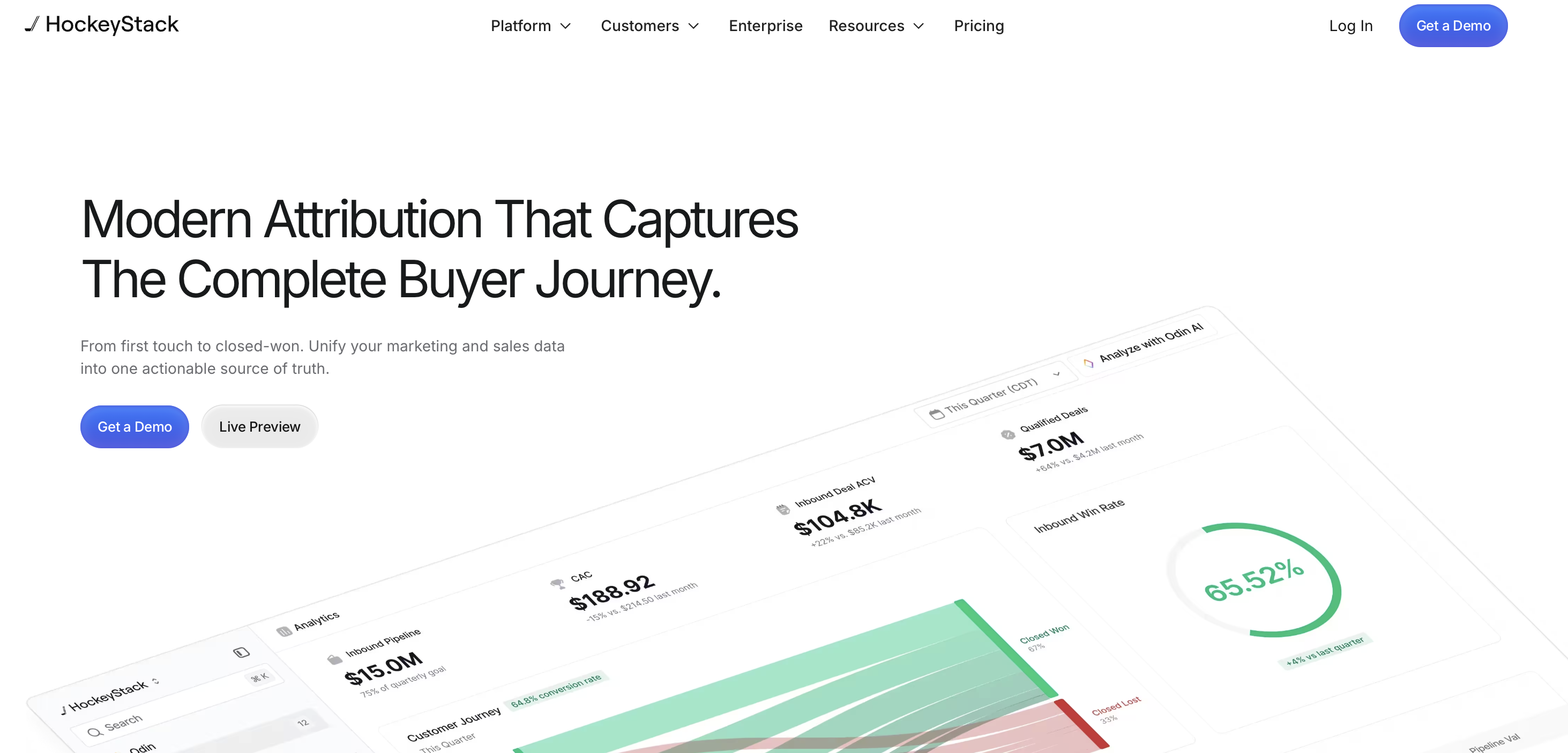
A revenue-focused tool that connects marketing, product, and sales to analyze conversions.
👉 Best for: going beyond leads to analyze actual revenue
Identifies engaged accounts and tracks their progress through the funnel.
👉 Best for: account-based marketing strategies
A comprehensive solution for tracking leads, opportunities, and deals in a unified environment.
👉 Best for: easily aligning marketing and sales
The industry standard for complex organizations, offering extensive customization capabilities.
👉 Best for: structuring advanced sales processes
A simpler CRM focused on sales efficiency and quick team adoption.
👉 Ideal for: maintaining clear oversight without the overhead

Used to track user behavior and website conversions.
👉 Ideal for: understanding digital journeys
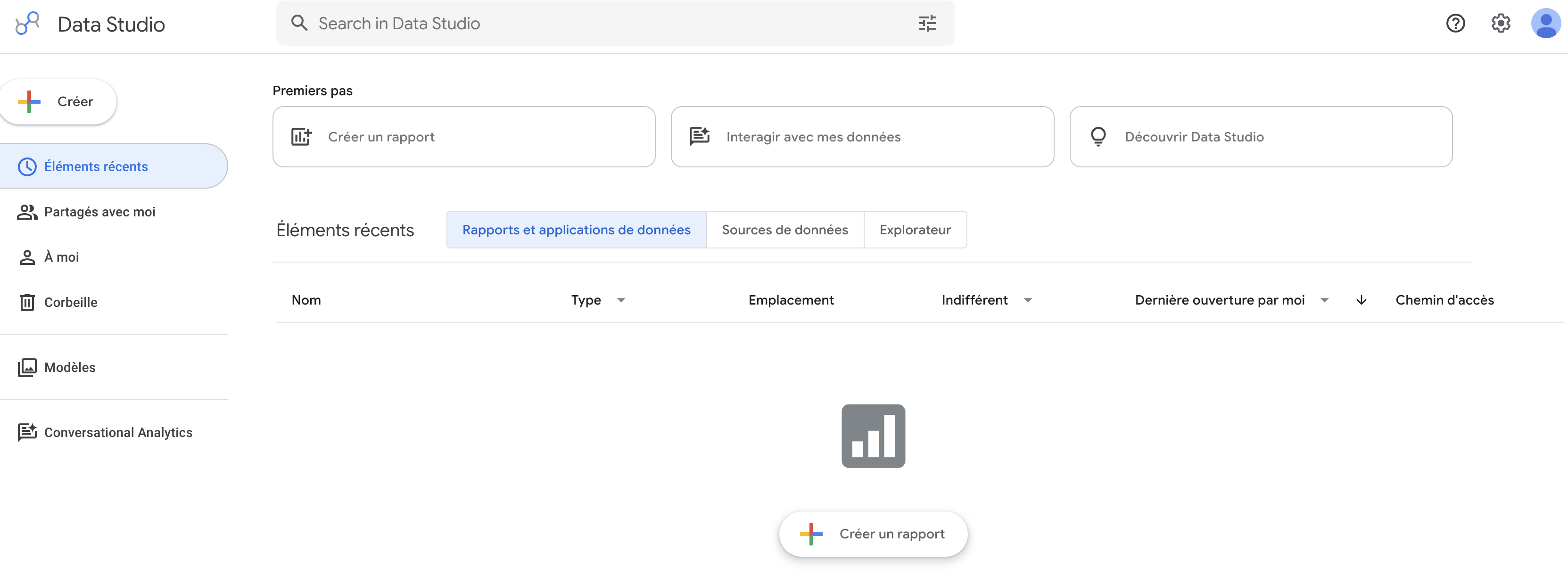
A visualization tool for creating dashboards connected to various data sources.
👉 Ideal for: making data accessible and readable
An advanced solution for analyzing and visualizing complex data.
👉 Ideal for: mature data teams
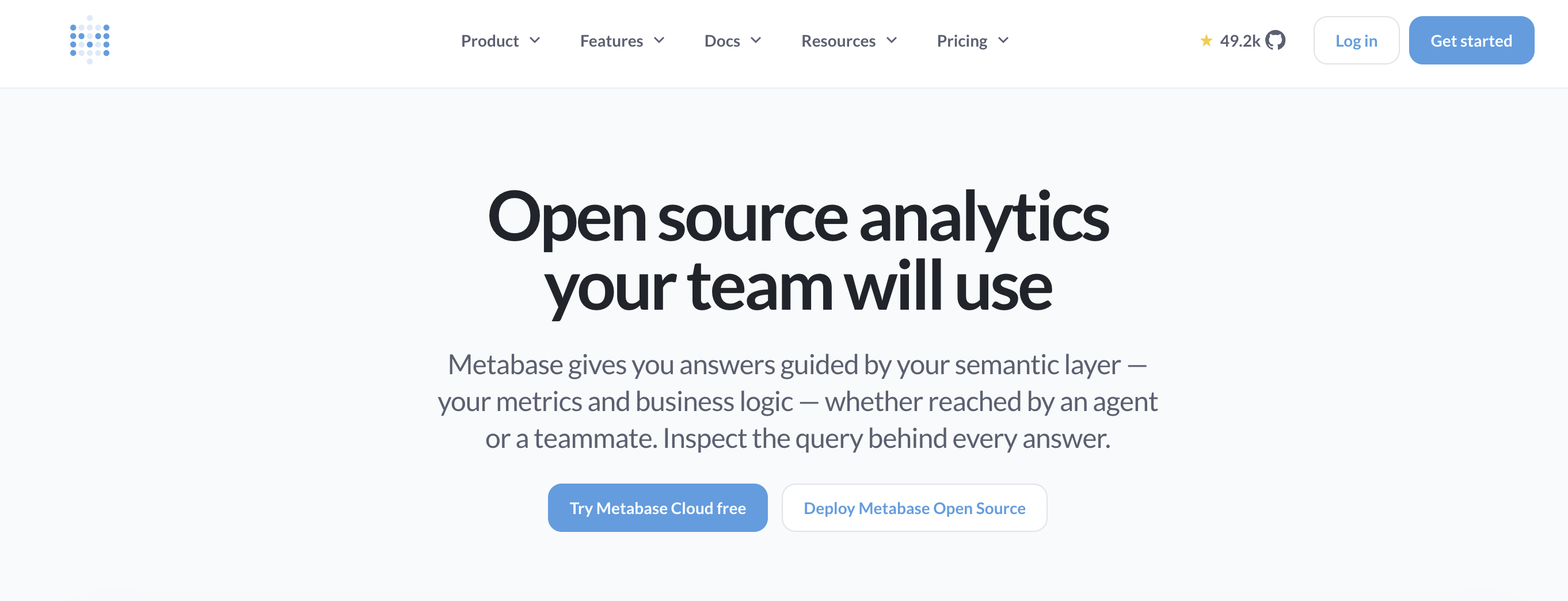
A more accessible alternative for exploring and sharing data.
👉 Ideal for: democratizing internal data access
CategoryMain ObjectiveKey ToolsTrackingCollect reliable dataGTM, Segment, Server-sideAttributionUnderstand the funnelDreamdata, HockeyStackCRMTrack pipeline and dealsHubSpot, SalesforceAnalyticsVisualize performanceGA4, Looker Studio
The choice of tools should never be driven solely by popularity. It must align with your level of maturity and your actual business needs.
Some useful guidelines:
A good stack isn't one that does everything, but one that enables better decision-making.
Certain mistakes consistently recur when an Ads stack is poorly structured:
These mistakes create an illusion of performance but prevent any real optimization.
To round out this reflection on the stack and understand how tools concretely influence performance, it is useful to look at what happens on the campaign management side. Our B2B Ads playbook shows, among other things, why optimizing only for leads skews results, and how feeding back CRM signals helps improve quality and the pipeline

3 Boulevard de Sebastopol, 75001, Paris
©Copyright 2024. All rights reserved.

If you want to keep in touch, and get a summary of Growth Marketing every week, it's just happening here 👇