+200 companies supported · HubSpot, Meta Ads, Google Ads, LinkedIn Ads partner
Share on:
Last updated: September 2026
Choosing your acquisition tools isn't about piling up subscriptions, but about building a simple chain that runs from audience to sale, via proof and measurement. This guide presents twenty reliable, accessible tools for Paid, SEO, CRO (conversion rate optimization) and email, then suggests typical stacks based on your team size and your B2B or e-commerce model. It aims to be human and concrete: what to use when, at what stage, and with what budget and governance benchmarks.
Quick summary
Start with a short combo : an intent channel to capture existing demand, a proof channel to convince, and a conversion tool to turn interest into sales.
Limit complexity at the start : two tools per building block are often enough; you can add more later.
Read your results in the CRM by cost per opportunity rather than by simple click, by connecting your forms and offline conversions.
Comply with GDPR : clear consent, clean databases, a visible right to object.
Decide after a six-week pilot, keeping whatever generates meetings and sales at the right cost.
The 20 acquisition tools to know in 2026
Paid media and campaign measurement
1) Google Ads
Why it's good : captures people who are already actively searching; ideal for testing a promise, an average order value and a product page without waiting for SEO.
What type of company : e-commerce businesses that want to sell right away, B2B with clear queries and strong intent.
Team size : from 1 part-time person, comfortable from 2 to 3 people across media and content.
Good to know : track cost per sale or per meeting in your CRM, not just return on ad spend.
2) Meta Ads Manager
Why it's good : introduces the brand and its proof through powerful creatives; useful when intent doesn't exist yet.
What type of company : DTC e-commerce and B2B companies that have testimonials, before-and-afters or demos.
Team size : 1 creative plus 1 media buyer at a minimum, 3 to 4 people once you multiply tests.
Good to know : visual creative drives 80% of performance; refresh your ads every two to three weeks.
3) LinkedIn Ads
Why it's good : precisely targets job functions and companies; useful when several decision-makers are involved.
What type of company : B2B with a medium to long sales cycle and significant contract value.
Team size : 1 media buyer and 1 salesperson to handle responses quickly, 3 to 5 people when scaling up.
Good to know : judge by cost per opportunity and conversion to meetings, not by click-through rate.
4) TikTok Ads
Why it's good : massive video reach, fast learning on hooks and visual proof.
What type of company : highly visual e-commerce, young brands, B2B with simple educational formats.
Team size : 1 to 2 content creators and 1 media buyer.
Good to know : favor short, credible videos; clean sound and subtitles make all the difference.
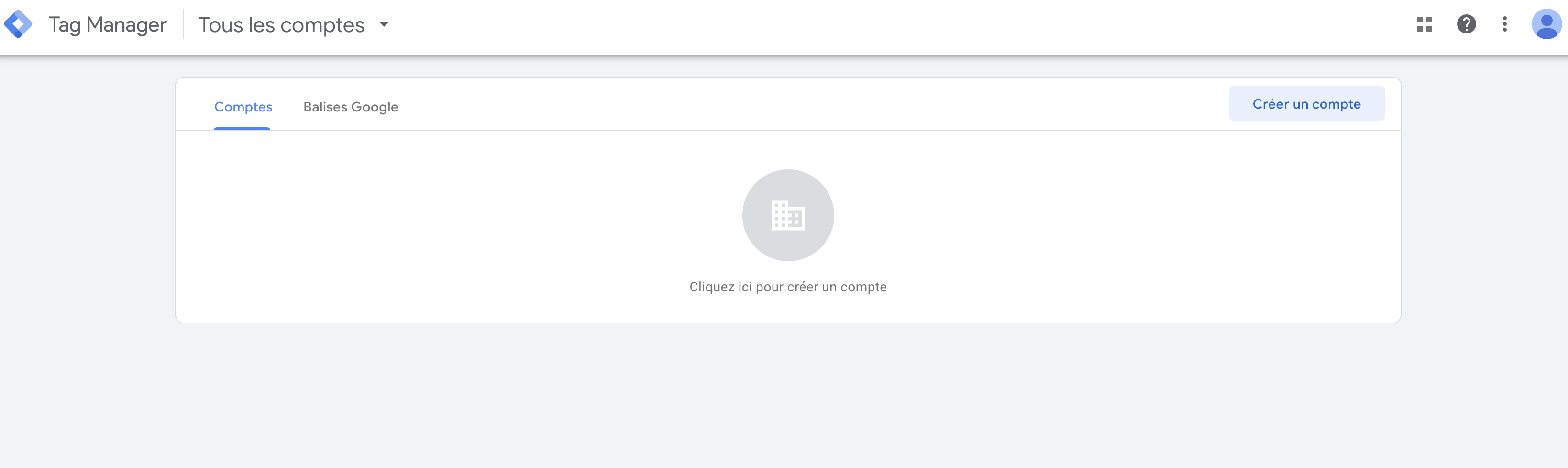
5) Google Tag Manager
Why it's good : centralizes all tags without constantly going through the tech team.
What type of company : all sizes; essential as soon as you launch campaigns.
Team size : 1 trained person is enough.
Good to know : document your tags and test them in a staging environment before publishing.
6) Google Analytics 4
Why it's good : a basic view of traffic and conversions, free and sufficient to get started.
What type of company : all, especially at launch.
Team size : 1 to 2 people for weekly reports.
Good to know : complement it with small incrementality tests to find out what really adds sales.
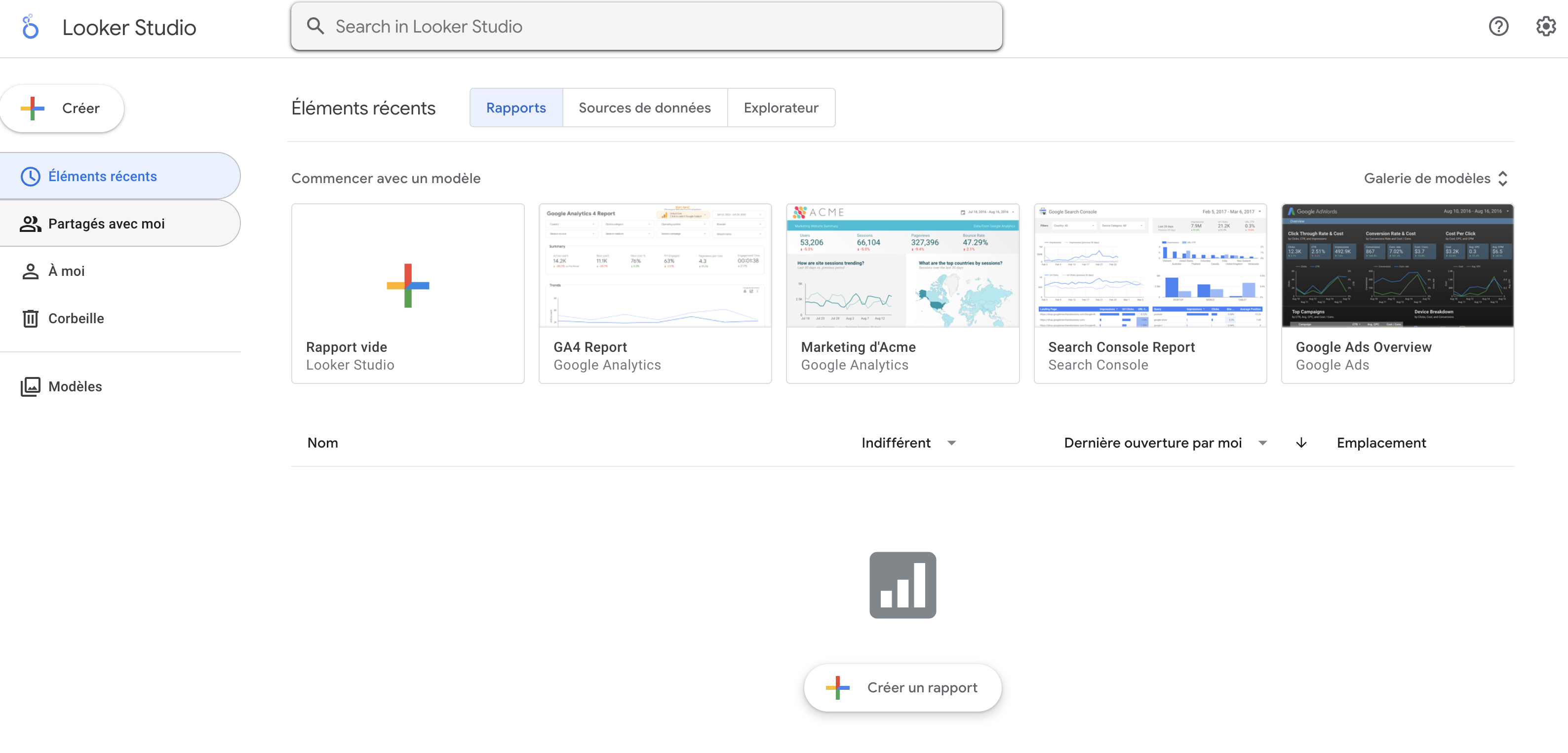
7) Looker Studio
Why it's good : clear, shared dashboards that connect several sources at no cost.
What type of company : all; useful for the weekly review meeting.
Team size : 1 person to build it, then 1 manager to comment on it.
Good to know : lock in a simple dashboard with 3 to 5 metrics that support decision-making.
SEO and content
8) Ahrefs
Why it's good : finds useful topics and links, and helps you understand a keyword's potential before writing.
What type of company : sites with ambitions for regular content, B2B and e-commerce alike.
Team size : 1 to 3 content and SEO people.
Good to know : start with 10 solution or category pages that answer clear searches.
9) Semrush
Why it's good : readable technical audits, rank tracking and topic ideas in the same tool.
What type of company : SMEs that want to structure their editorial plan.
Team size : 1 SEO person to start, plus an in-house or external writer.
Good to know : one audit per quarter is often enough to keep a site clean.
10) Google Search Console
Why it's good : shows how Google sees your site; free and essential.
What type of company : all.
Team size : 1 person who checks it every week.
Good to know : spot rising queries and improve the relevant pages rather than adding unnecessary ones.
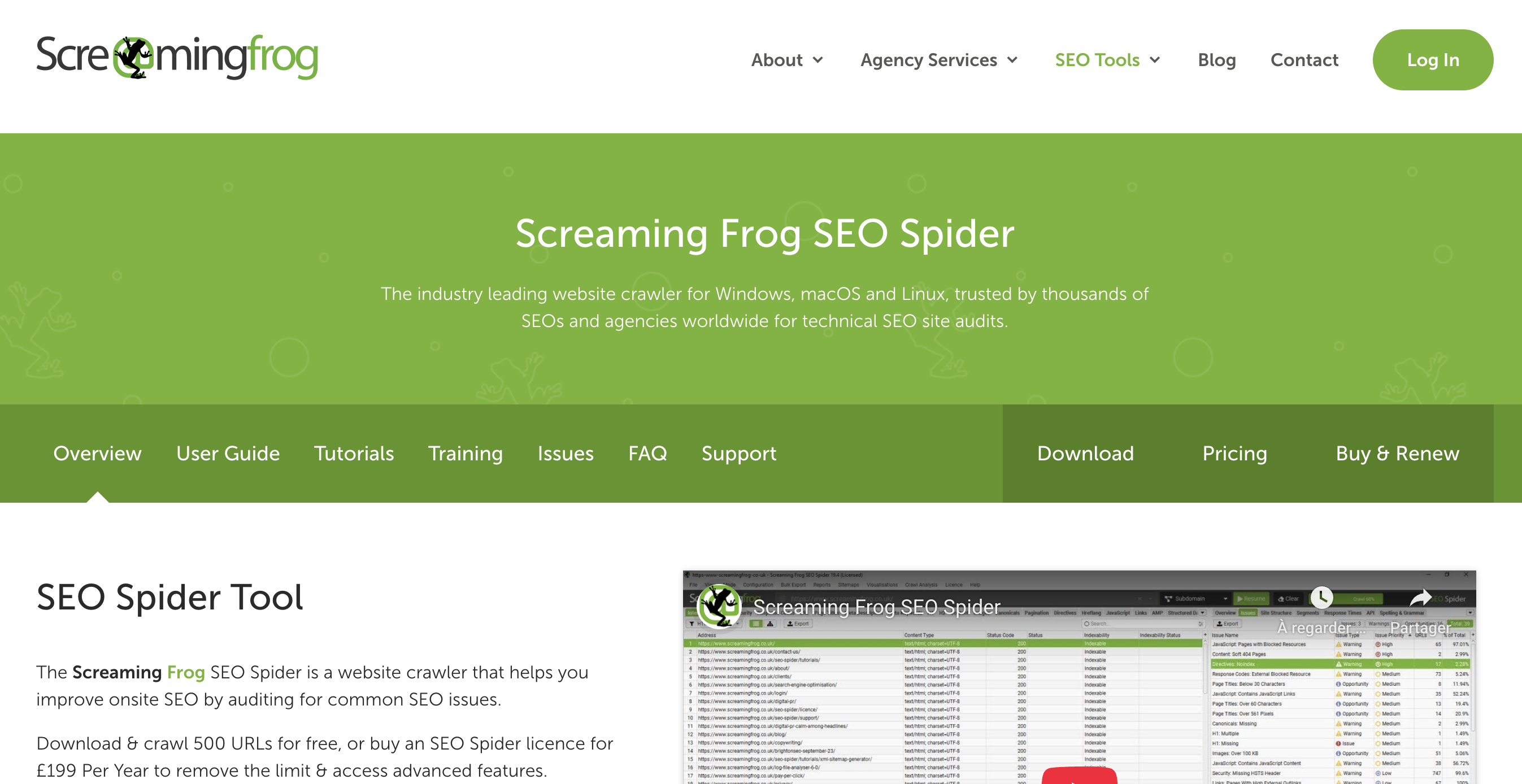
11) Screaming Frog
Why it's good : finds technical errors, broken links and missing titles.
What type of company : sites with more than 50 pages.
Team size : 1 person comfortable with technical basics.
Good to know : fixing basic technical issues often improves speed and indexing.
CRO and conversion experience
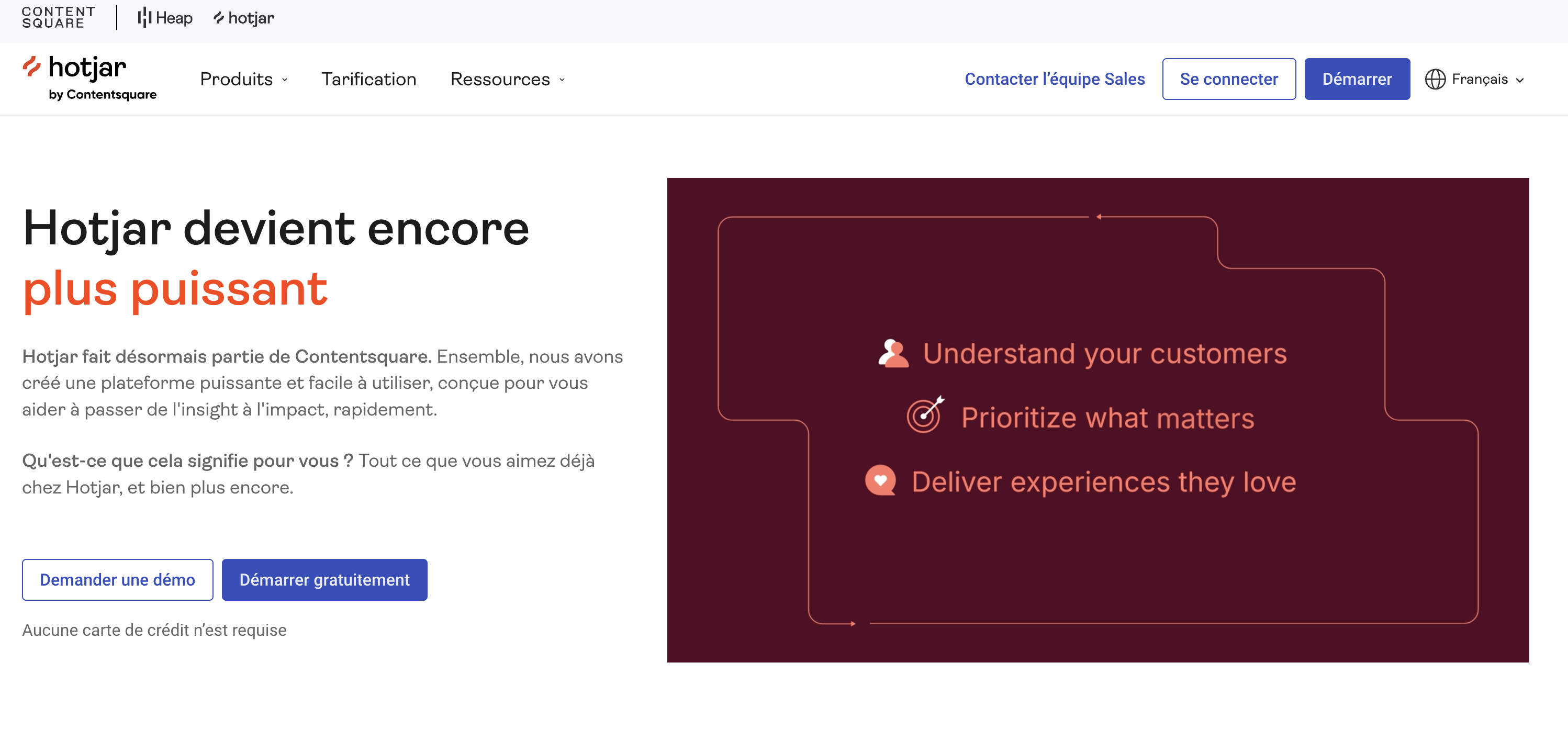
12) Hotjar
Why it's good : heatmaps and session replays that show where visitors hesitate.
What type of company : online stores and B2B companies with forms.
Team size : 1 to 2 product or marketing people.
Good to know : watch 10 replays a week and note what's blocking; one concrete action is worth more than a long report.
13) Microsoft Clarity
Why it's good : a free alternative for heatmaps and user journeys.
What type of company : small teams getting started.
Team size : 1 person is enough.
Good to know : useful to get started before moving to a paid tool as traffic grows.
14) AB Tasty
Why it's good : robust A/B testing and personalization, suited to high-traffic sites.
What type of company : established e-commerce businesses and media or SaaS sites with a lot of traffic.
Team size : 1 to 2 product people plus a designer.
Good to know : test only one hypothesis at a time and wait for sufficient volume before drawing conclusions.
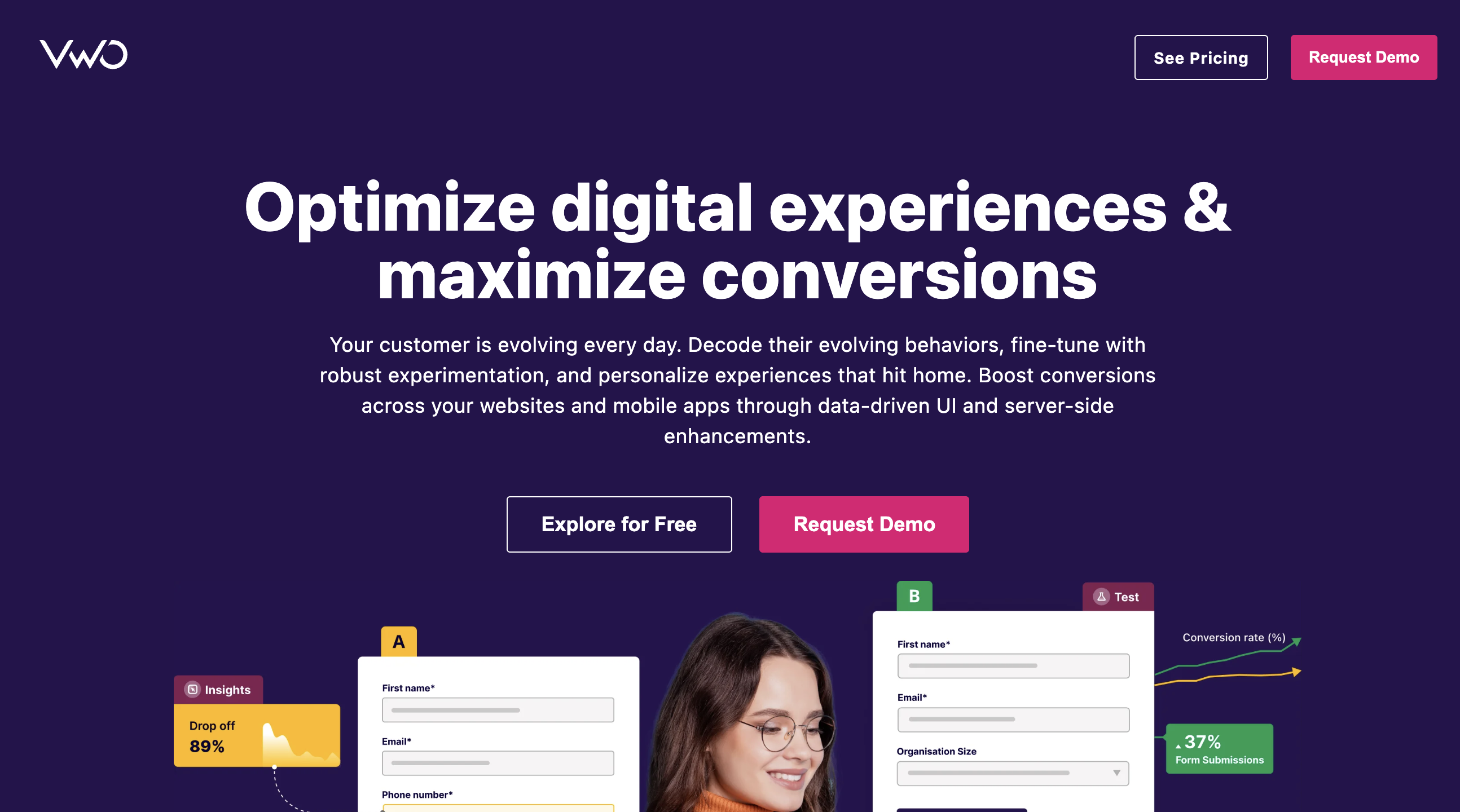
15) VWO Testing
Why it's good : another benchmark tool for testing pages, forms and messages.
What type of company : ambitious SMEs that have moved beyond one-off tests.
Team size : 2 to 3 people to keep iterations on a steady rhythm.
Good to know : prioritize the most-viewed pages; a modest win on a key page is worth more than ten micro-tests.
Email, CRM and prospecting
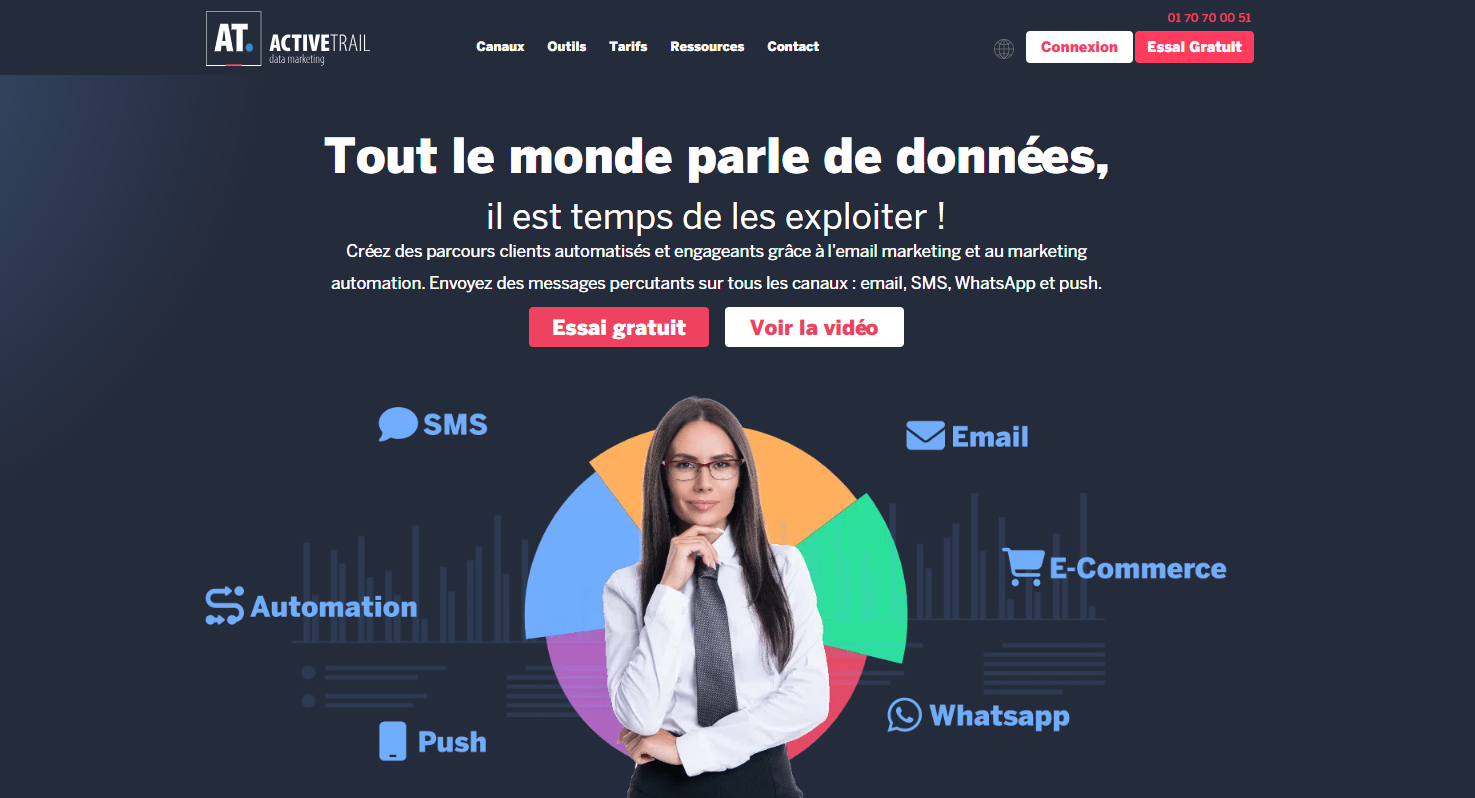
16) ActiveTrailVisual attachedWhy it's good: ActiveTrail combines automation and personalization to create emails that adapt to your customers' actual behavior.What type of company: Online stores or e‑commerce businesses looking to automate their communications while staying close to their customers.Team size: Suits small teams that want to maximize impact without multiplying resources.Good to know: Start with your most strategic scenarios and use ActiveTrail's analytics to optimize deliverability and engagement.
16) ActiveTrail
Why it's good: ActiveTrail combines automation and personalization to create emails that adapt to your customers' actual behavior.
What type of company: Online stores or e‑commerce businesses looking to automate their communications while staying close to their customers.
Team size: Suits small teams that want to maximize impact without multiplying resources.
Good to know: Start with your most strategic scenarios and use ActiveTrail's analytics to optimize deliverability and engagement.
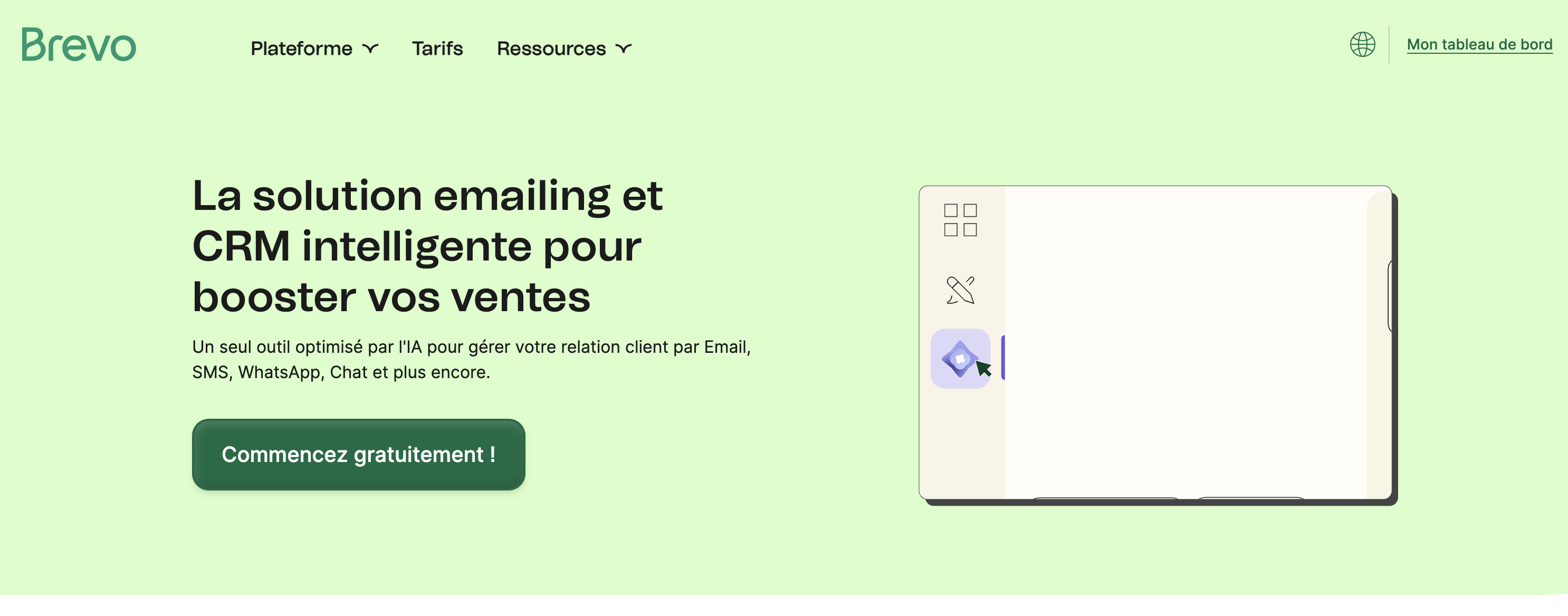
17) Brevo
Why it's good : simple, cost-effective email sending, with forms and campaigns that are easy to set up.
What type of company : very small businesses and SMEs getting started with email in France and Europe.
Team size : 1 marketing person.
Good to know : use basic segments such as new sign-ups, active customers and inactive customers; that's often enough at the start.
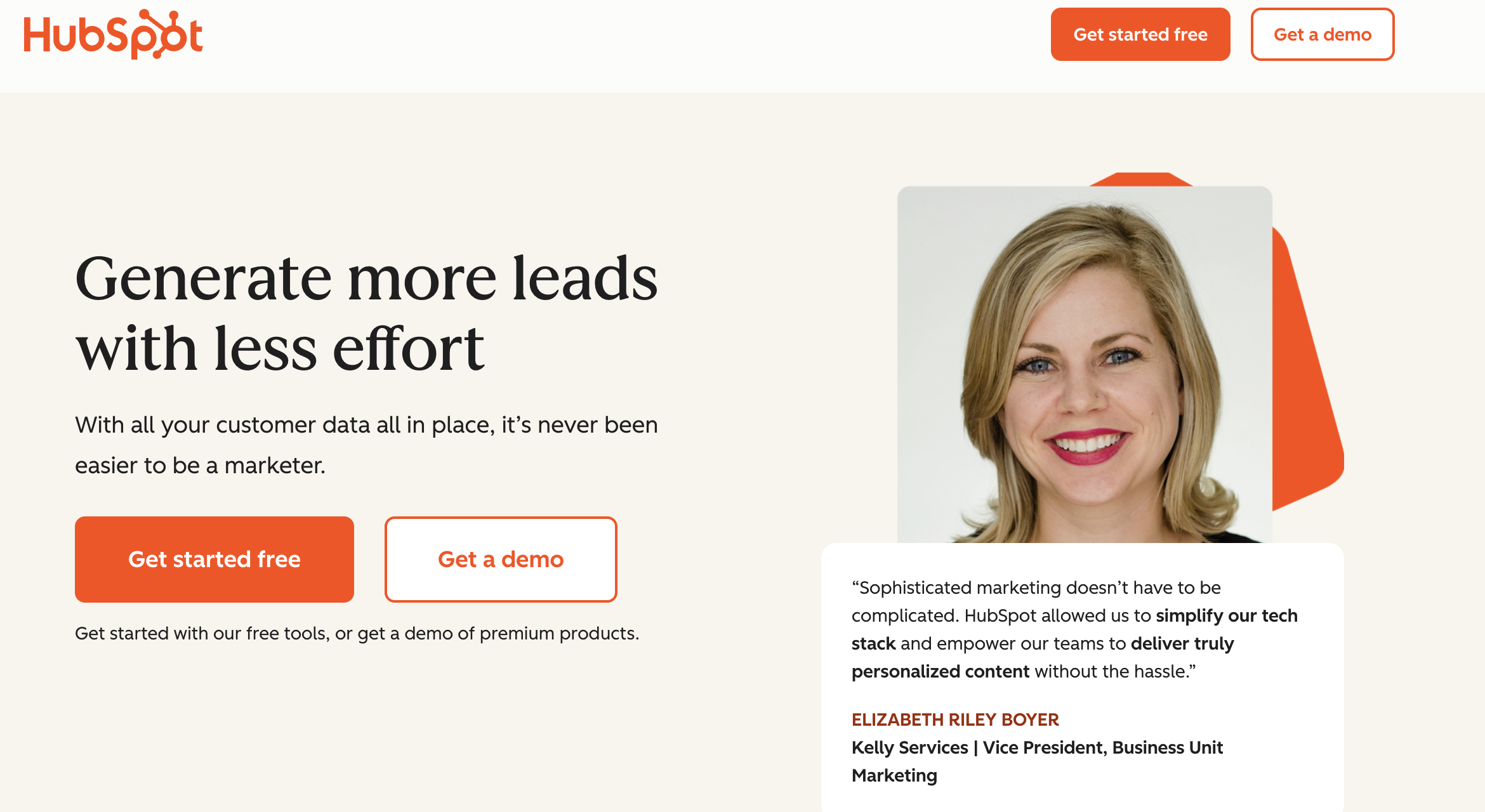
18) HubSpot Marketing Hub
Why it's good : email, automation and customer CRM in the same environment, so everyone sees the same information.
What type of company : B2B companies tracking meetings and a pipeline, e-commerce businesses that want to unify service and sales.
Team size : 2 to 4 people across marketing and sales.
Good to know : start with Starter, then add richer automations if adoption is there.
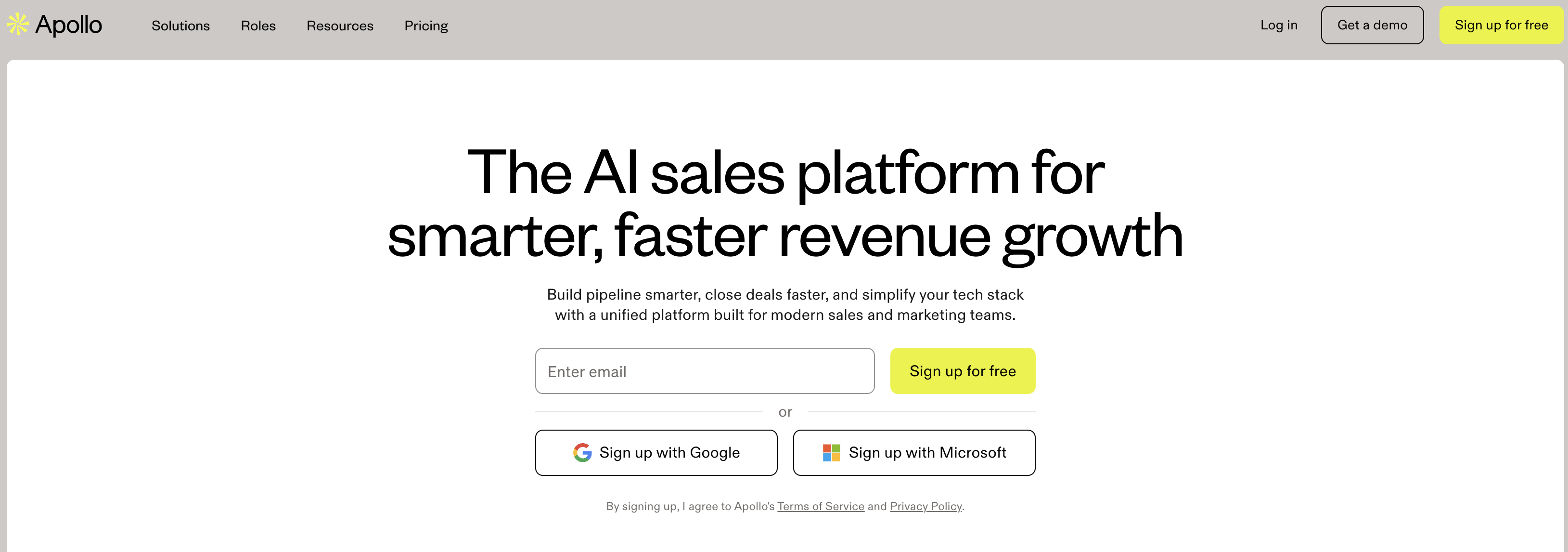
19) Apollo
Why it's good : contact database and built-in prospecting; you search, build the list and send from the same place.
What type of company : B2B companies launching a structured sales approach.
Team size : 1 to 3 SDRs or salespeople.
Good to know : monitor your credits and list quality, and connect it to your CRM to avoid duplicates.
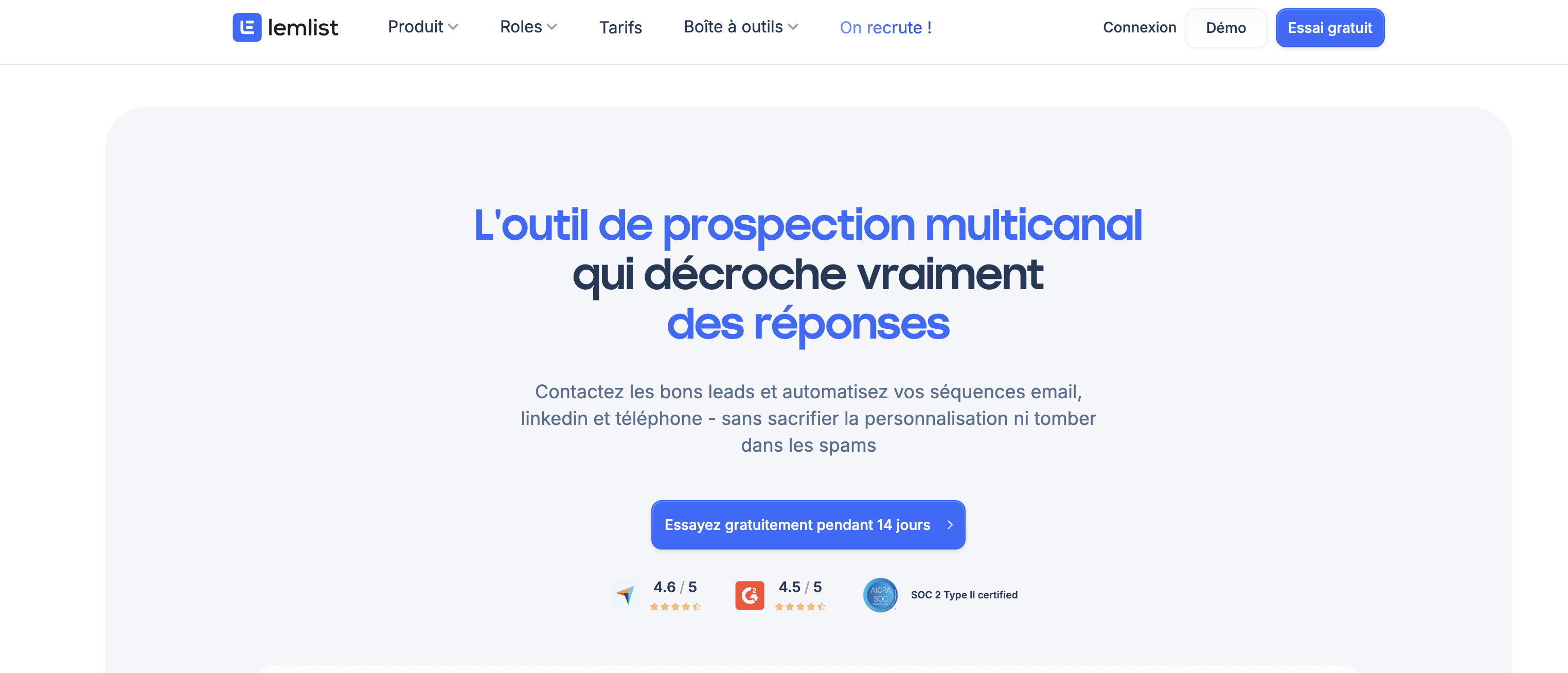
20) Lemlist
Why it's good : multichannel sending with tools to protect your sender reputation, so fewer messages land in spam as volume grows.
What type of company : B2B companies with a high cadence of emails and LinkedIn messages.
Team size : 1 to 5 SDRs or business developers.
Good to know : warm up your sending inboxes and keep a human cadence to avoid being blocked.
Method and updates
This selection is based on client usage, vendors' public pages and tests carried out in 2025-2026. It favors stable, well-documented tools that are easy to connect to the CRM. We update the guide every quarter to reflect changes in pricing and features.
Ethics and transparency clause
No placement is paid. If any information seems inaccurate or out of date, send us your correction with the public source and we'll update it after verification.
The answers to your questions
What are the best acquisition tools in 2026 for paid media, SEO, CRO and email?
How do you build an acquisition tool stack without piling up subscriptions?
How do you measure the profitability of Google Ads or LinkedIn Ads?
Which free tools can you use to get started with acquisition and website analytics?
Apollo or Lemlist: which tool should you choose for B2B prospecting?